

Start with what you need today
You deserve enough food, a safe place to sleep and support without judgment. If there is immediate danger or a medical emergency, call 911. For food, shelter or rent support, call 211 or search 211.ca. Explain what you need today, your municipality, any children with you, accessibility needs and whether you can cook or refrigerate food. Phone, text and language-service availability vary by region; the national website can help you find local options.
Finding food—and knowing what to ask
Ask about food banks, community fridges, prepared meals, low-cost produce markets, delivery and school or campus programs. Check opening times and catchment areas before travelling. Ask what documents are needed; requirements differ, and not having ID should not stop you asking about emergency alternatives. Mention allergies, cultural or religious food needs, infant feeding and medical diets. Availability is not guaranteed, and you do not need to share sensitive details with MAPLE & MAIN ST.
When your housing is at risk
Ask 211 about emergency shelter, family accommodation, rent banks, eviction-prevention services and local legal clinics. If you receive an eviction notice, keep it and seek tenant advice promptly; deadlines and rights depend on your province or territory. A notice does not always mean you must leave immediately. Contact your utility about hardship arrangements before disconnection, and ask about provincial assistance. Eligibility and funding vary—no program can be promised here. If you are fleeing violence, ShelterSafe can help locate women's shelters; ask 211 for other inclusive shelter options. Use a safer device if someone monitors your browsing.
A flexible three-day meal rhythm
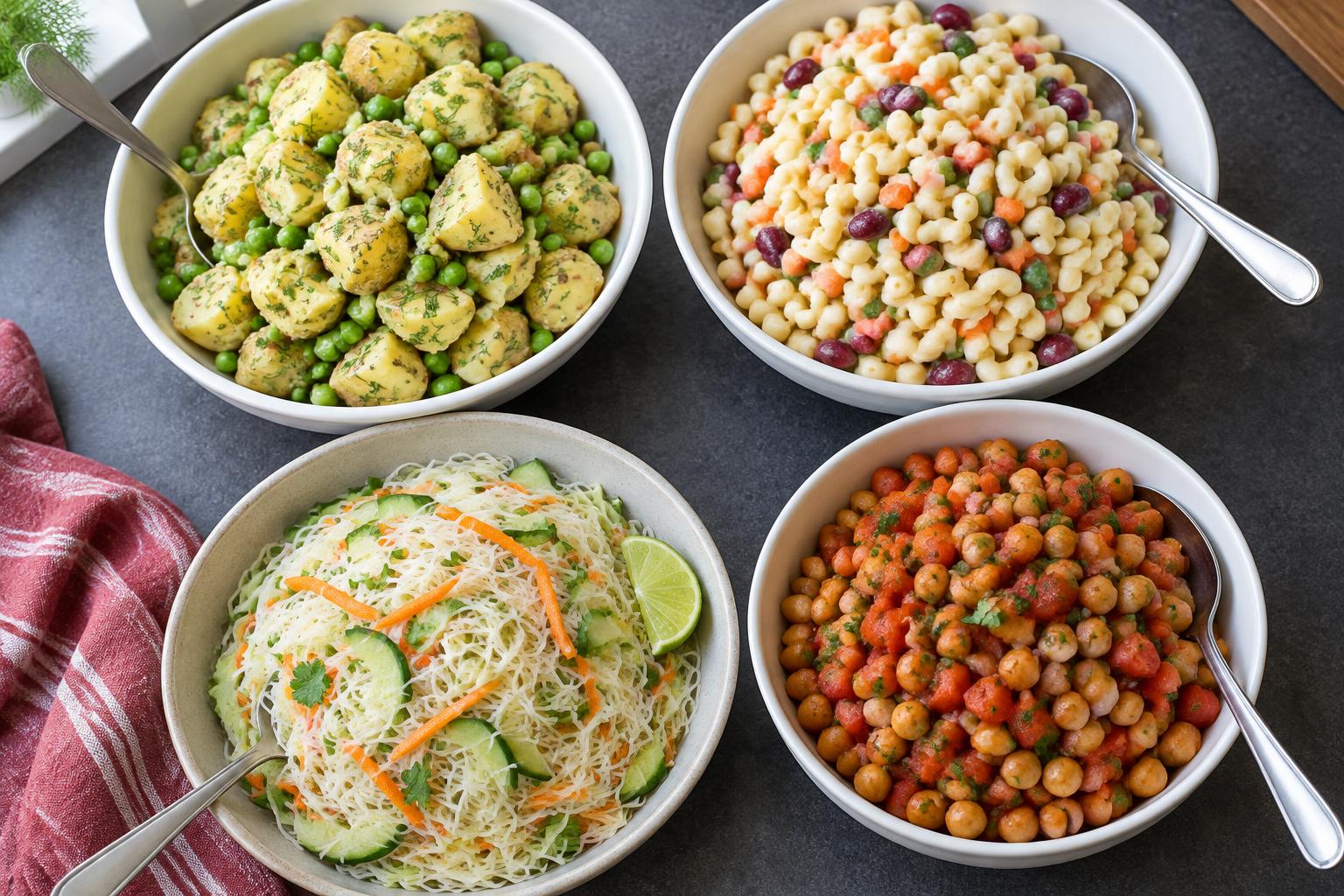
Choose one inexpensive breakfast, one batch-cooked base and two vegetables rather than buying ingredients for nine unrelated recipes. Day one: oats or eggs, lentil soup and potato-and-bean salad. Day two: yogurt or toast, leftover soup and lemon chickpea pasta salad. Day three: oats, a safely chilled pasta lunch and cumin chickpea rice bowls. Swap ingredients for what the food program provides. This is a flexible idea, not a nutritionally complete prescription or a guaranteed grocery budget.
Solo, couple, single parent or family
Solo: freeze extra portions promptly if you have a freezer, or cook a smaller batch to avoid waste. Couple: share a four-serving batch between dinner and the next day's lunch when safely refrigerated. Single parent: keep chilli optional, offer familiar textures, ask about school breakfasts and after-school snacks, and choose the household size that includes you and your children. Family of three or four: serve a shared base with optional toppings and add protein such as beans, eggs or tofu. Children's appetites and needs differ; equal portions and adult calorie estimates are not feeding targets.
Small-budget food can still be joyful
Potato salad can be mustard-dill, curry-yogurt or lemon-herb. Macaroni salad gains crunch from carrots and cabbage; chickpeas make lemon pasta salad more filling. Vegetable vermicelli with tofu and lime brings freshness. Cumin, thyme, garlic and a little acid lift inexpensive beans. These home dishes are inspired by international cuisines, not claims of authenticity. Buy one versatile spice at a time. Canadian-grown staples and globally sourced rice, citrus or spices can sit together in a Canadian kitchen; check package origins rather than assuming.
No stove or reliable refrigerator?
Prioritize prepared community meals and shelf-stable foods that fit your equipment: canned beans or fish, whole-grain crackers, nut or seed butter where safe, and fruit. Ask for pull-tab cans if you have no opener. Do not keep opened perishable foods without refrigeration. Rice, pasta and potato salads also need safe chilling; mayonnaise is not the only risk. Refrigerate cooked food promptly, within two hours, in shallow containers; keep the fridge at 4°C or colder and use refrigerated leftovers within two to three days or freeze them. When storage is uncertain, do not rely on smell to judge safety.
Health, cost and kindness
Pair starches with protein and vegetables when available. Rinse canned beans, compare sodium labels and use frozen vegetables when they cost less. If you manage diabetes, pregnancy, kidney disease or another condition, ask your care team or a registered dietitian for advice; calorie estimates and 'diabetic-friendly' labels on a website are not medical guidance. Recipe prices count ingredients used, not every package you must buy, and are not current store quotes. Reaching out for support is a practical act of care—not a failure. MAPLE & MAIN ST cares about the well-being of all Canadians.